How can you fit more movement into your week?
Start with a realistic opening in your calendar, an accessible location, and an activity suited to your abilities. Plan a backup for weather or scheduling changes. Review what worked each week instead of treating a missed session as a reason to ignore your limits.
Based on the guide below and its linked sources. Not personal medical advice.
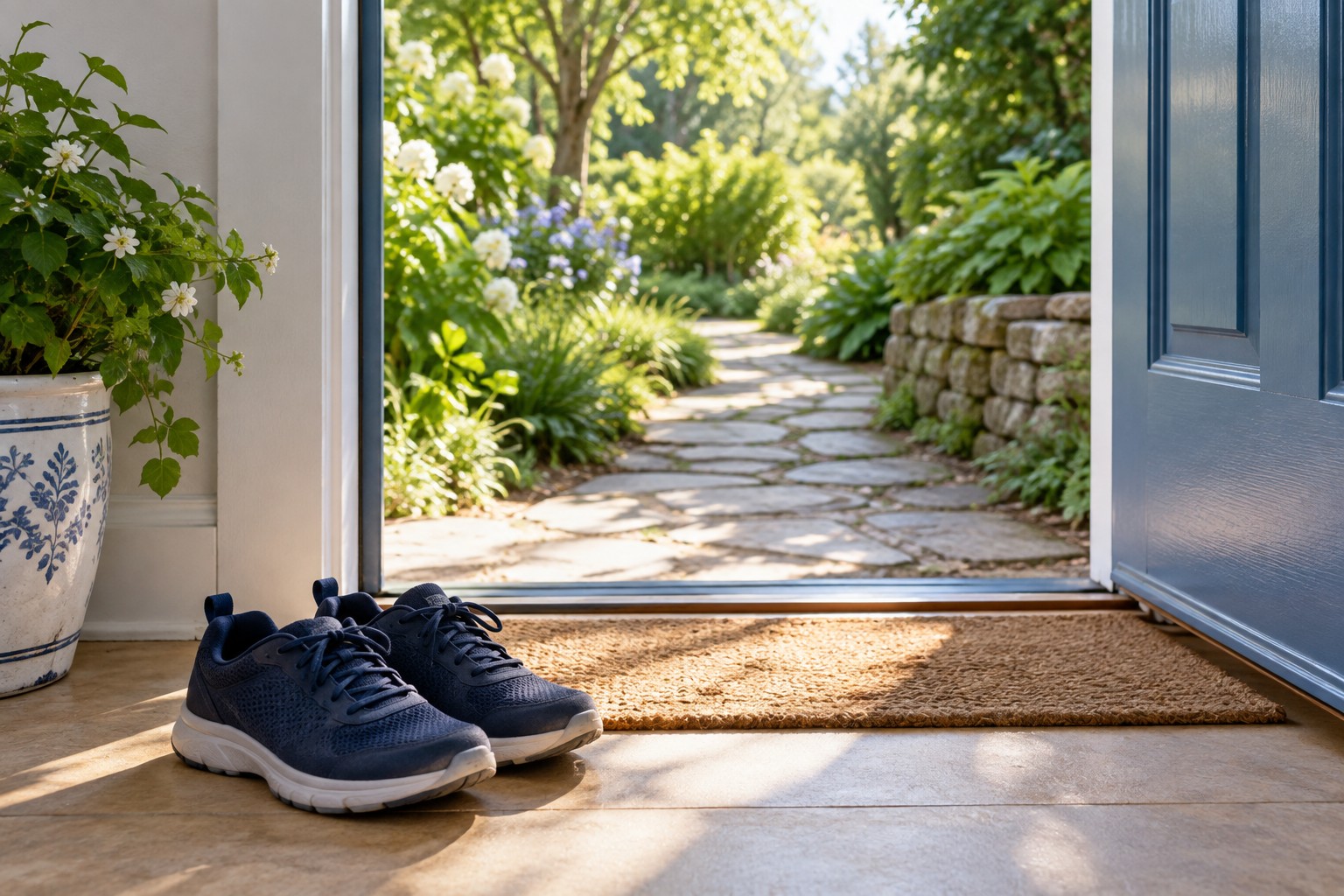
A movement plan is easier to understand when it starts with your actual calendar. You do not need to buy equipment to begin thinking about where activity might fit. First separate the long-term guideline from the small action you are ready to take.
What the adult guideline means
CDC describes a weekly goal of 150 minutes of moderate aerobic activity, 75 minutes of vigorous activity, or an equivalent combination, plus muscle-strengthening activity at least two days a week. Activity can be split into smaller periods. These are general adult guidelines, not a personalized exercise prescription. Read CDC’s explanation.
Intensity depends on the person. CDC’s practical cue for moderate activity is being able to talk but not sing. Brisk walking is one example; the same pace will not feel the same for everyone. Choose activities appropriate to your abilities and discuss changes with your clinician if you have a chronic condition or are unsure what is suitable.
Map opportunities before setting targets
On paper, sketch your next seven days. Look for a realistic gap, an accessible place, and an activity you would be willing to repeat. Keep these separate: a free time slot is not helpful if the location is unavailable or the activity is uncomfortable.
For example, someone might choose a short walk during a lunch break, with an indoor alternative when the weather is poor. Another person may prefer an adapted activity at home. These are scheduling examples, not a recommendation that a particular duration or exercise is safe for everyone.
Review the plan without turning it into a contest
- Which time slot actually worked?
- What made getting started easier?
- Did travel, weather, access, or another commitment interfere?
- What needs to change before next week?
A missed session is information about the plan. It is not a reason to double the next session or ignore your limits.
Keep the first step practical
Choose one feasible opportunity for movement and a backup option. Build a plan around your current circumstances; a headline or step-count challenge cannot assess your individual needs.
Common questions
Does weekly activity need to happen all at once?
No. CDC says aerobic activity can be spread across the week in smaller periods. Its general adult guideline is 150 minutes of moderate activity or 75 minutes of vigorous activity, plus strengthening activities at least two days a week.
What counts as moderate activity?
CDC uses a practical cue: you can talk but not sing during moderate activity. The effort required varies with your fitness and health, so the same pace is not appropriate for everyone.
Health guidance: CDC — What Counts as Physical Activity for Adults. Planning and shopping examples are editorial suggestions.
Sources & further reading
Sources checked September 24, 2026. These organizations do not endorse this website.
Prepared with AI assistance; not individually reviewed by a licensed clinician. General education only. How we prepare our guides.